DevOps
Development and Operations

What is DevOps ?
DevOps is a set of practices that combine Software development (Dev) and IT operations (Ops). The goal is to shorten the systems development life cycle and provide continuous delivery with high software quality. It develops collaboration, automation, and integration between developers and operations teams.

Dev
Writing and maintaining the source code of software applications.
Using systems like Git to track and manage changes to the codebase.
Peer reviews of code to ensure quality and adherence to standards.
Merging code changes into a shared repository frequently and automatically testing them to catch issues early.
Writing and running tests for individual components of the software to ensure they work as expected.
Compiling source code into executable programs.
Storing and managing build artifacts (compiled code, libraries, etc.) in a repository.
Setting up and maintaining local development environments to ensure consistency with production.
Designing and implementing new features based on requirements.
Identifying and fixing defects in the software.
Ops
Setting up and configuring servers, networks, and other infrastructure. Deploying applications to production environments.
Maintaining the desired state of systems using tools like Puppet, Chef, or Ansible.
Continuously monitoring systems and applications to detect issues. Collecting and analyzing logs for troubleshooting and performance analysis.
Responding to and resolving incidents that affect system availability and performance.
Managing and provisioning infrastructure using code (e.g., Terraform, CloudFormation).
Automatically preparing code changes for production release and deploying them in a consistent and reliable manner.
Ensuring systems can handle increased load and optimizing performance to meet user demand.
Implementing security measures, monitoring for vulnerabilities, and ensuring compliance with regulations.
Managing backups of critical data and ensuring the ability to recover from data loss or system failures.
Managing multiple environments (development, testing, staging, production) to ensure they are consistent and meet the needs of the development and operations teams.
DevOps's History
DevOps emerged from the Agile software development movement in the mid-2000s. It was influenced by other methodologies like IT Service Management (ITSM). The term “DevOps” was popularized by Patrick Debois, who coined it in 2009 during a conference.
Benefits of DevOps
- Increased deployment frequency and faster time to market.
- Improved collaboration and communication between teams.
- Higher quality and reliability of software releases.
- Better alignment with business objectives and customer needs
DevOps Practices and Principles
- Continuous Integration (CI)
- Continuous Delivery (CD)
- Infrastructure as Code (IaC)
- Monitoring and Logging
Continuous Integration (CI) :
CI involves regularly merging code changes into a shared repository. Automated tests run to ensure the new code doesn’t break the existing codebase. Tools like Jenkins, Travis CI, and CircleCI are commonly used.
Continuous Delivery (CD):
CD extends CI by ensuring that code changes are automatically prepared for a release to production. It allows for faster and more reliable releases. Key practices include automated testing, deployment scripts, and staging environments.
Infrastructure as Code (IaC) :
IaC is the management of infrastructure (networks, virtual machines, load balancers, and connection topology) through code. It enables automated and consistent configuration of infrastructure. Tools like Terraform, Ansible, Puppet, and Chef are popular for IaC.
Monitoring and Logging:
Continuous monitoring and logging are essential for identifying issues before they affect end users. Tools like Prometheus, Grafana, ELK Stack (Elasticsearch, Logstash, Kibana), and Splunk are widely used.
DevOps Tools and Technologies
Version Control Systems
- Version control is essential for tracking changes in code and collaborating with team members.
- Git is the most popular version control system, with platforms like GitHub, GitLab, and Bitbucket facilitating collaboration.
CI/CD Tools
- These tools automate the process of integrating code changes and deploying them to production.
- Jenkins, CircleCI, Travis CI, GitLab CI/CD, and Azure DevOps are some of the key players.
Containerization
- Containers allow applications to run consistently across different environments.
- Docker is the leading containerization tool, while Kubernetes is the most widely used container orchestration platform for managing containerized applications at scale.
Configuration Management
- Configuration management tools help in managing the configuration of servers, networks, and software.
- Puppet, Chef, and Ansible are prominent tools that ensure consistency and compliance across environments.
Cloud and DevOps
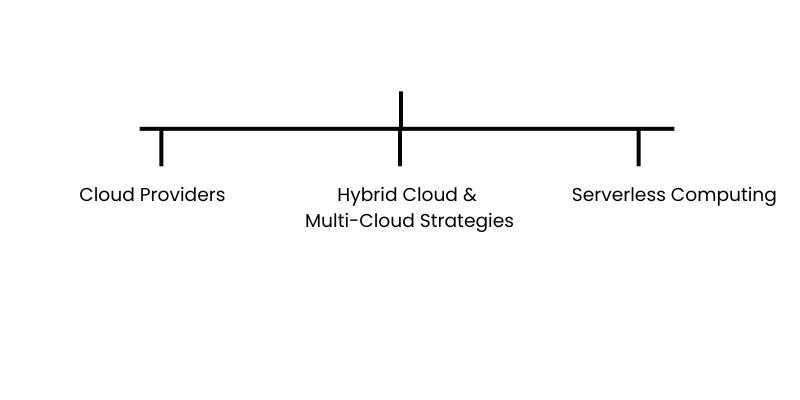
Cloud Providers
Cloud platforms like AWS, Azure, and Google Cloud offer a range of services and tools that support DevOps practices, including compute, storage, networking, and specialized DevOps services like AWS CodePipeline, Azure DevOps, and Google Cloud Build.
Hybrid Cloud and Multi-Cloud Strategies
Organizations often use a combination of on-premises, private cloud, and public cloud environments. A hybrid cloud strategy integrates these environments, while a multi-cloud strategy involves using multiple public cloud providers to avoid vendor lock-in and improve resilience.
Serverless Computing
Serverless architectures allow developers to build and run applications without managing infrastructure. Services like AWS Lambda, Azure Functions, and Google Cloud Functions enable event-driven, scalable applications.
DevOps Culture and Collaboration
Collaboration Tools
- Tools like Slack, Microsoft Teams, Jira, and Confluence facilitate communication and collaboration among DevOps teams.
- They help in tracking work, sharing knowledge, and maintaining transparency.
Cross-functional Teams
- DevOps promotes the formation of cross-functional teams that include members from development, operations, and other areas like QA and security.
- These teams work together throughout the software lifecycle to improve efficiency and product quality.
Agile and Lean
- Agile methodologies focus on iterative development and customer feedback, while Lean principles aim to minimize waste and maximize value.
- Both concepts align with DevOps practices to enhance productivity and responsiveness.
Security in DevOps
DevSecOps
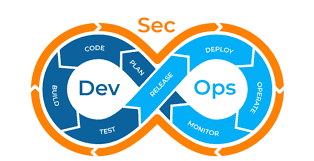
- DevSecOps integrates security practices into the DevOps process.
- It emphasizes the importance of security from the start, using automated security testing and continuous monitoring to identify and mitigate vulnerabilities.
Security Tools
- Tools like Snyk, SonarQube, and OWASP ZAP help in identifying and fixing security issues in the code.
- Automated security testing and code analysis are crucial for maintaining secure applications.
Compliance and Governance
- Ensuring regulatory compliance is critical for many organizations.
- DevOps practices must include governance policies and procedures to meet standards like GDPR, HIPAA, and PCI-DSS.
Learning and Development
Certifications
- DevOps certifications, such as those offered by AWS, Azure, Google Cloud, Docker, and Kubernetes, can validate skills and knowledge.
- They are beneficial for career advancement and staying current with industry trends.
Learning Resources
- Providing a list of recommended books, online courses, tutorials, blogs, and communities can help readers continue their learning journey.
- Platforms like Coursera, Udacity, Udemy, and LinkedIn Learning offer valuable DevOps courses.
Career Paths in DevOps
Exploring various roles within DevOps, such as DevOps Engineer, Site Reliability Engineer (SRE), Automation Engineer, and Cloud Engineer, can help readers understand the career opportunities and necessary skills.
Future Trends in DevOps
AI and Machine Learning in DevOps
- The integration of AI and machine learning can enhance DevOps practices by providing predictive analytics, intelligent automation, and advanced monitoring capabilities.
- Tools and platforms that incorporate AI/ML can optimize CI/CD pipelines and incident management.
Edge Computing
- Edge computing brings computation and data storage closer to the sources of data.
- This trend impacts DevOps by requiring new strategies for deploying, monitoring, and managing distributed applications and infrastructure.
Evolving DevOps Practices
- The DevOps landscape is continually evolving. Keeping an eye on emerging practices, tools, and methodologies can help practitioners stay ahead.
- Topics like GitOps, AIOps, and NoOps represent the future directions of DevOps.
Case Studies and Examples

Netflix
Known for its pioneering use of DevOps practices to achieve rapid deployment and high availability.

Amazon
Uses DevOps to improve deployment frequency and reduce lead time for changes, supporting its vast infrastructure and diverse services.

Etsy
Adopted DevOps to enhance collaboration, streamline deployments, and improve site reliability.
